
Discover
About
Pakistan
Where ancient civilisations meet the world's greatest mountains — a destination unlike any other on Earth.
5
of Earth's 14 highest peaks
7,253m
Average altitude of Karakoram
220M+
Population, 5th largest
5,000+
Years of continuous civilisation
70+
Languages spoken
3
Great mountain ranges converge
The country
The world's last great
travel secret.
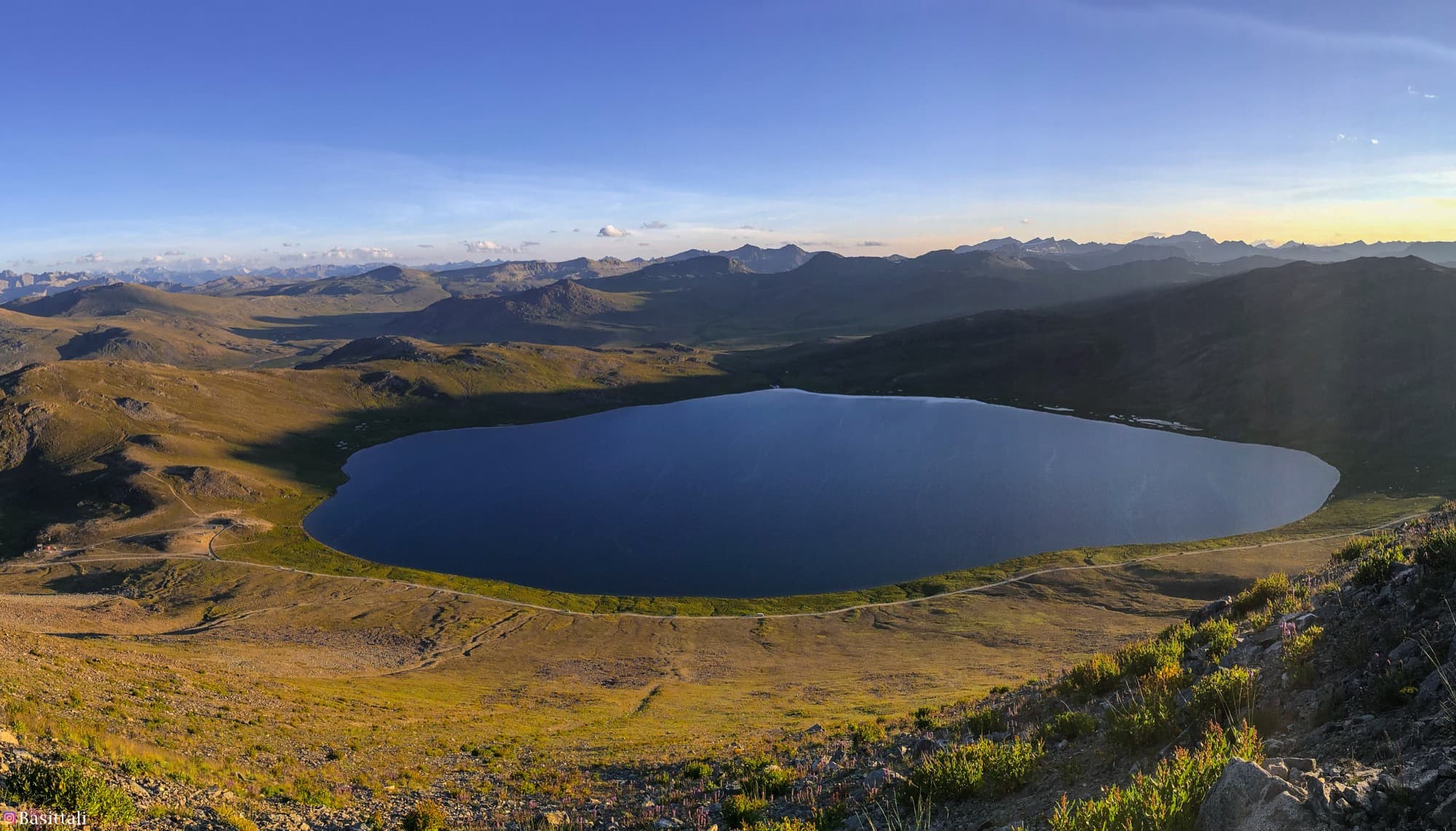
Pakistan is home to the greatest concentration of high mountains on Earth. Three of the world's most formidable mountain ranges — the Karakoram, the Himalayas, and the Hindu Kush — converge on its northern territories, creating landscapes of such scale and drama that they defy description.
Beyond the mountains, Pakistan holds 5,000 years of continuous civilisation — the ruins of Mohenjo-daro and Harappa among the oldest cities ever discovered. The Mughal Empire left its finest monuments here. The Silk Road passed through its valleys. Dozens of distinct cultures, languages, and traditions coexist across a land of breathtaking variety.
Plan Your Pakistan Journey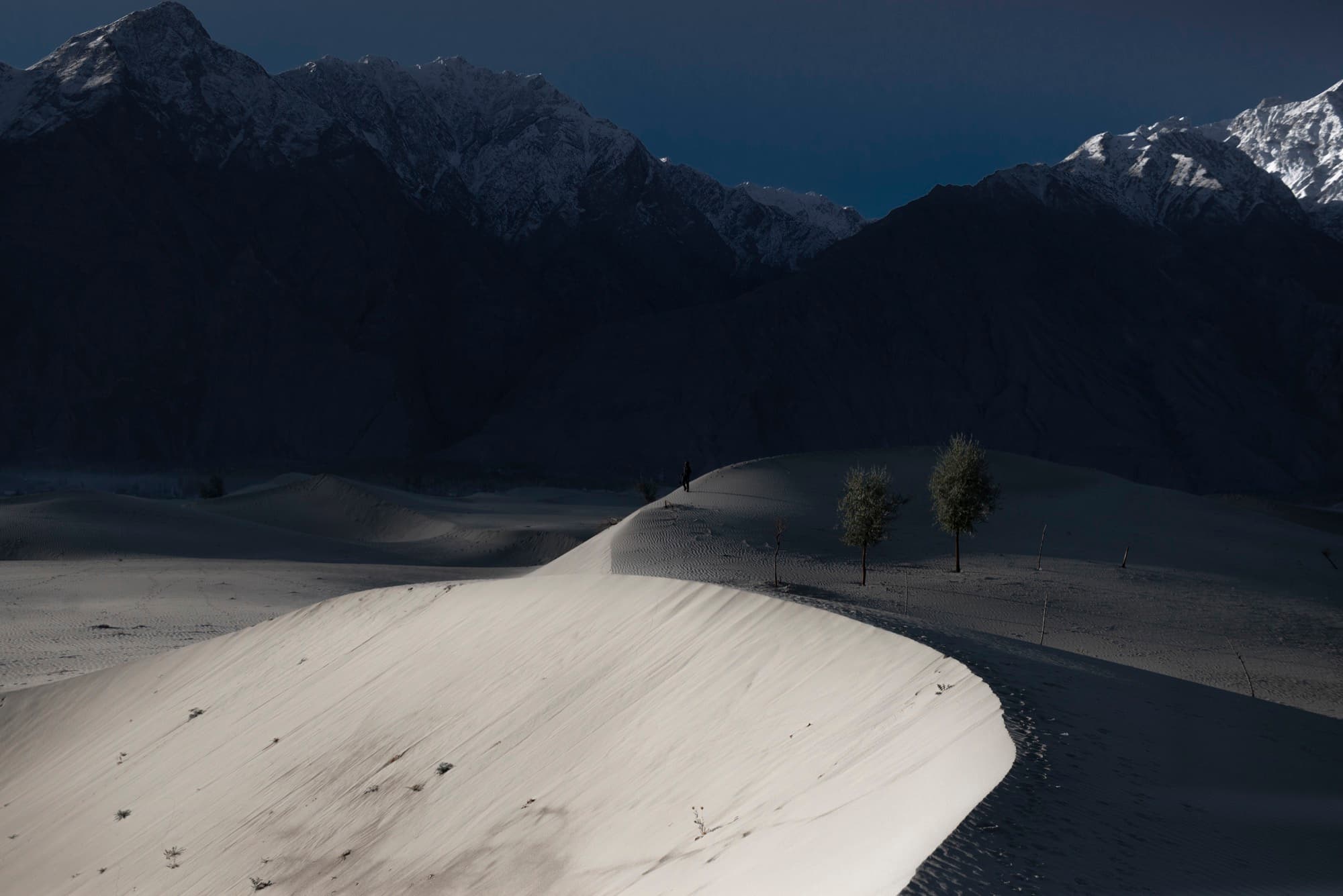
Explore by region
Six worlds in one country.
Gilgit-Baltistan
Home to five of the world's fourteen 8,000-metre peaks — including K2, the savage mountain — and the confluence of three of Earth's greatest mountain ranges: the Karakoram, Himalayas, and Hindu Kush.
Khyber Pakhtunkhwa
A land of ancient Silk Road cities, Kalash valleys, and towering Hindu Kush peaks. Chitral, Swat, and the Frontier regions hold cultures untouched for centuries.
Punjab
The heartland of Pakistan — a vast, fertile plain watered by five mighty rivers, home to Mughal masterpieces, Sufi shrines, and some of the world's most vibrant bazaars.
Sindh
Where civilisation began. The Indus Valley culture flourished here over 4,500 years ago. Today Sindh blends ancient ruins, coastal landscapes, and a deeply distinct cultural identity.
Balochistan
Pakistan's largest and least explored province — a vast plateau of dramatic desert landscapes, ancient caravan routes, turquoise coastline, and proud tribal culture.
Azad Kashmir
A jewel of emerald valleys, glacial rivers, and dense pine forests at the foot of the western Himalayas. Neelum Valley and Sharda are among Pakistan's most beautiful landscapes.
When to go
Every season has its gift.
March – May
Spring
Excellent
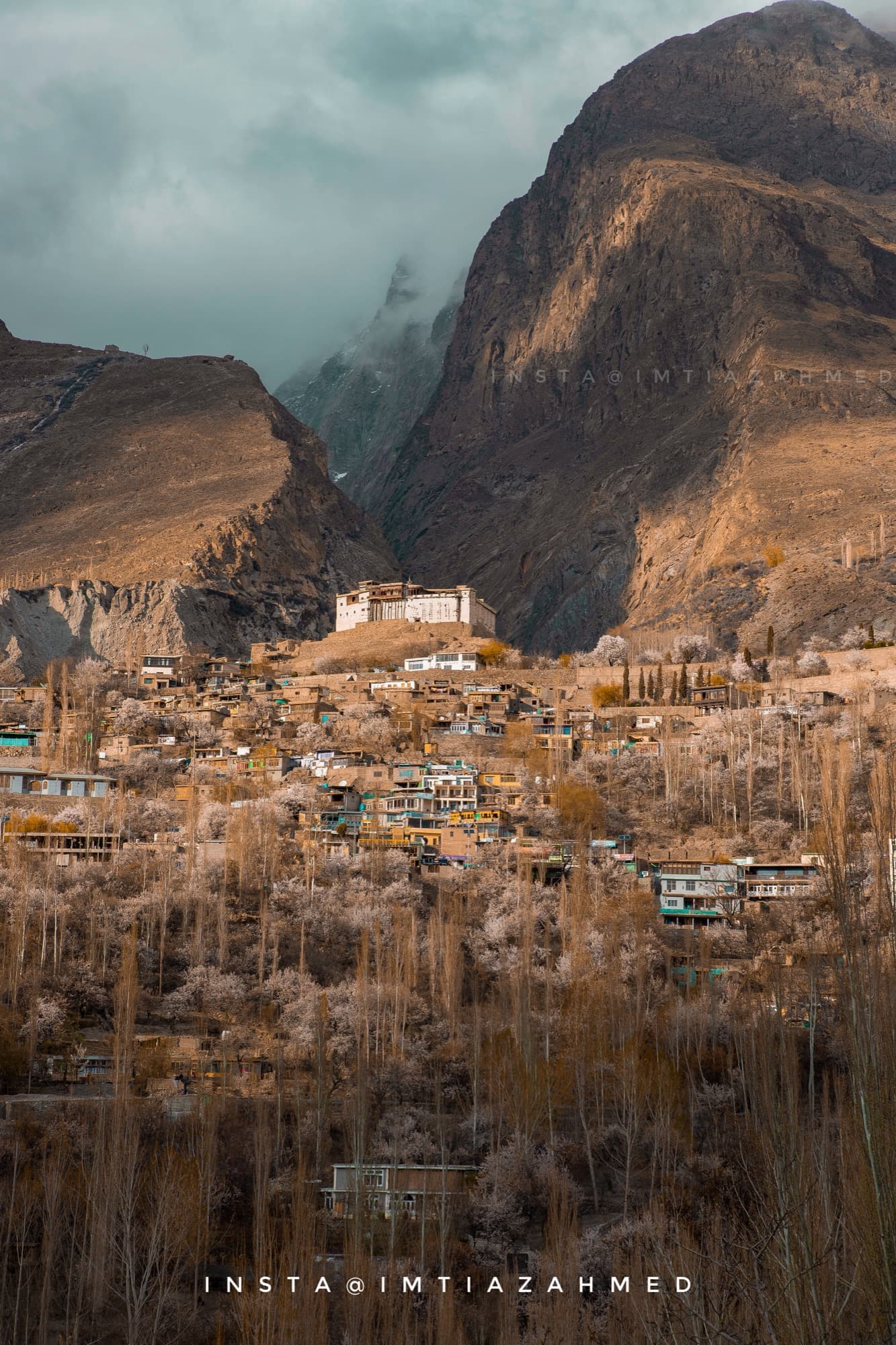
Valleys burst into blossom. Cherry and apricot orchards flower across Hunza and Chitral. Temperatures are mild and skies are clear — ideal for cultural travel and moderate trekking.
June – August
Summer
Peak Season
Peak season in the north. High passes open, glaciers glisten, and wildflower meadows reach their peak. Temperatures in the mountains remain refreshingly cool even at the height of summer.
September – November
Autumn
Excellent
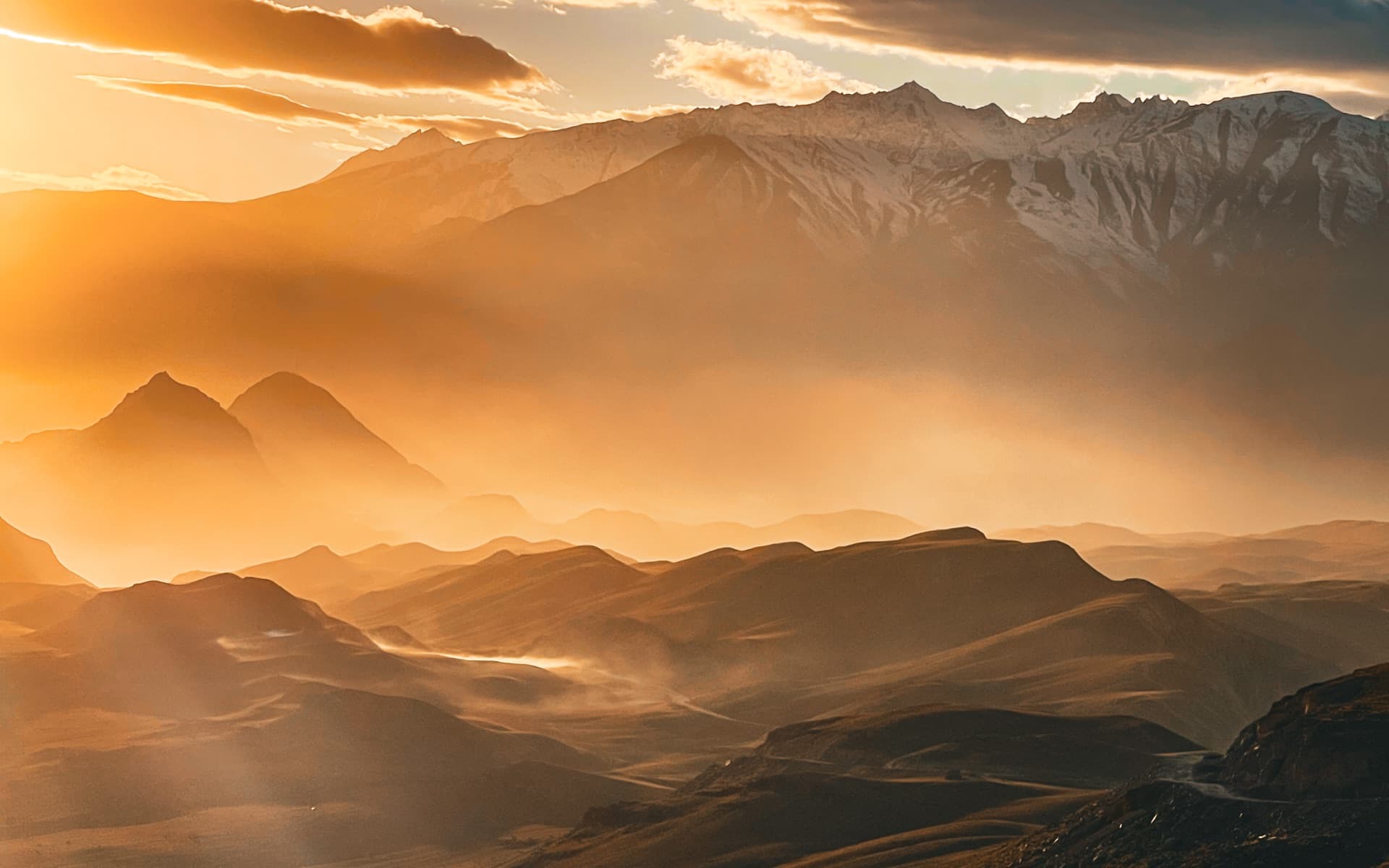
Golden light floods the valleys as poplar trees turn amber and crimson. The finest photography season. Trails remain open and crowds thin — the connoisseur's choice.
December – February
Winter
South only
High passes close under snow. The south — Lahore, Karachi, Sindh — is at its most comfortable. Kalash winter festivals ignite Chitral with colour and ceremony.
People & culture
Among the world's
most welcoming people.
Pakistan's reputation for hospitality is not a travel cliché — it is a lived reality. Across all regions, guests are received with warmth, generosity, and genuine curiosity. The tradition of mehmaan-nawazi — the sacred duty of honouring one's guest — is woven into the fabric of daily life.
Over 220 million people speak more than 70 languages across Pakistan, from Urdu and Punjabi to Burushaski — a language so ancient and so isolated it has no known relatives anywhere on Earth. The Kalash of Chitral preserve traditions that predate Islam by millennia. The Baloch, Pashtun, Sindhi, and Balti peoples each carry distinct identities, art forms, music, and culinary traditions.
Islam is the predominant faith, observed with quiet devotion across most of the country. The call to prayer five times daily is a constant, beautiful rhythm of life in every city and village.
Ready to experience it?
Pakistan is waiting
for you.
Let Auriga Ventures design your journey — bespoke, unhurried, and unlike anything you have experienced before.
Book Now